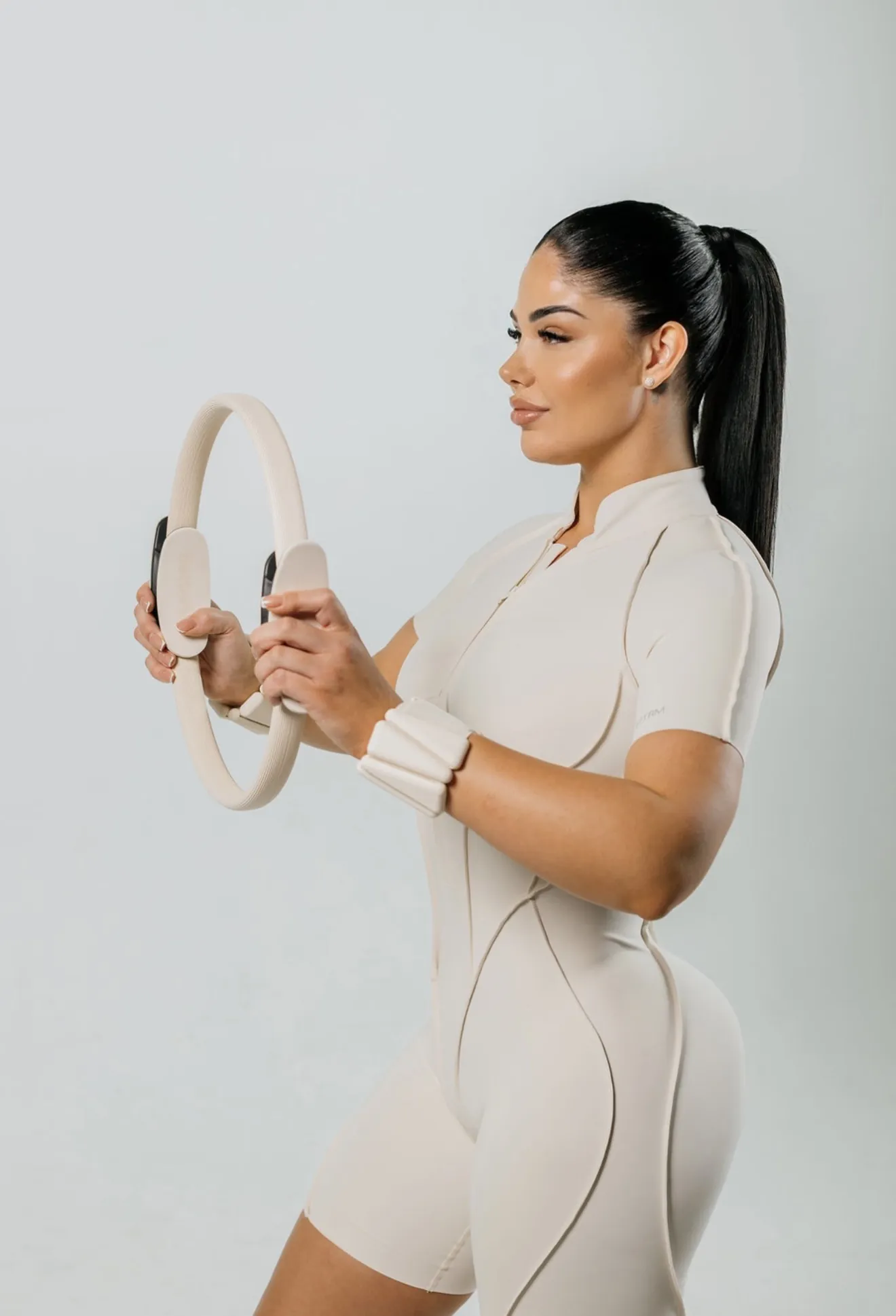
Mat Pilates uses a mat and primarily your own body weight; Reformer Pilates uses a moving carriage, springs and straps. Pilates education provider Pilates Anytime describes the equipment and how the formats differ. Both can be suitable for beginners, and neither is automatically easier or better. Choose the experience you can access, enjoy and adjust to your needs.
If you are looking in downtown Montreal, there is one more practical distinction: some mat classes are heated. LIRA Sculpt Pilates offers infrared-heated mat Pilates as well as sculpt and barre-inspired classes. LIRA does not offer Reformer Pilates. If a Reformer is what you want to try, look for a studio that offers that equipment.
What is the difference between mat Pilates and Reformer Pilates?
Setting
Mat Pilates: Exercises on a mat, sometimes with small props.
Reformer Pilates: Exercises on a Reformer: a frame with a sliding carriage, springs and straps.
Resistance
Mat Pilates: Primarily body weight; props can add variety.
Reformer Pilates: Springs can add resistance or assist a movement, depending on the exercise and setup.
Experience
Mat Pilates: You manage your position against gravity and the floor.
Reformer Pilates: The carriage moves as you work; the equipment offers different ways to position and load a movement.
Where to practise
Mat Pilates: At a studio or at home with suitable space and guidance.
Reformer Pilates: At a studio or other space equipped with a Reformer.
Difficulty
Mat Pilates: Varies with the exercise, pace and modifications.
Reformer Pilates: Varies with the exercise, spring setting, pace and instruction.
Both formats draw on Pilates principles such as controlled movement and breathing. As Pilates Anytime explains, mat work can be challenging in its own right, while springs on the Reformer may assist or resist movement depending on the exercise. These are descriptions of the formats, not evidence that either one produces better health outcomes.
Is mat Pilates or Reformer better for beginners?
Either can be a good place to start. A beginner-friendly teacher, clear explanations and appropriate variations matter more than the label on the equipment.
On a mat, you can learn the movement without learning how to adjust a machine. Some exercises may still feel demanding, particularly when you are supporting your own body weight. You can ask for a smaller range of motion or another variation.
On a Reformer, springs can sometimes assist a movement and sometimes make it more demanding. The moving carriage and equipment may feel engaging, but you will also need time to learn the setup. Tell the instructor it is your first session and ask how the equipment works.
Whichever format you choose, check the class description and let the instructor know about your experience and any movements you need to adapt. If you have an injury, are pregnant or have a medical condition, ask a qualified healthcare professional what is appropriate for you before starting.
Is mat Pilates easier than Reformer Pilates?
Not necessarily. A slow, controlled mat sequence can be challenging; a Reformer exercise can be adjusted in different ways too. The difficulty of either class depends on the exercises, pacing and options offered. “Beginner,” “all levels” and “advanced” can also mean different things at different studios, so ask what a particular class involves.
You do not have to master one before trying the other. Consider what appeals to you: a floor-based class you could also practise outside a studio, or the feel and variety of spring-based equipment. You can try both over time if they are available to you.
How does heat change a mat Pilates class?
Heat is a separate choice from equipment. Mat Pilates can be taught in different room conditions; LIRA’s Full Body – Hot Pilates is a mat class performed under infrared heat. A heated room can feel more demanding, and the experience is different for everyone. Heat is not required for Pilates, and a sweatier class is not proof of better results.
If you are new to heated exercise, tell your instructor, bring water and give yourself permission to pause or leave the room if you feel unwell. If you are pregnant or may be pregnant, avoid heated classes unless your healthcare professional advises otherwise: the Public Health Agency of Canada cautions against hyperthermic environments during pregnancy. If you are heat-sensitive, have a heart condition or another health concern, consult a healthcare professional before a heated class. Health Canada lists dizziness, nausea and headache among possible signs of heat illness. Stop, cool down and seek help when appropriate; heat stroke is a medical emergency.
Want more detail on the studio experience? Read Your First Heated Class at LIRA.
How to choose a Pilates class in downtown Montreal
Before booking, compare the whole experience, not just the class name:
Equipment: Do you want to work on a mat or try a Reformer? Confirm what the studio actually offers.
Room conditions: Is the class heated? If so, decide whether that suits you and ask the studio about the conditions.
Instruction: Is the class suitable for your experience? Can the instructor suggest variations?
Practical fit: Check the current schedule, location, price and booking conditions before purchasing. Choose a time you can reach without rushing.
Your preferences: Some people enjoy slower, technique-focused movement; others want a more dynamic class. Ask what to expect rather than assuming every class in one format feels the same.
At LIRA, the classes page describes the infrared-heated Full Body – Hot Pilates alongside Hot Sculpt and Barre Burn x Pilates. These are different experiences, so read the descriptions rather than treating their names as interchangeable. If you are also considering barre, our barre vs mat Pilates guide explains that comparison.
LIRA is located at 1455 Rue Saint-Mathieu, Montreal, QC H3H 2M4. To see current availability, visit LIRA’s Mindbody booking guide, then open the schedule and choose a session. Class times and availability can change.
Frequently asked questions
Can I start Pilates on a mat without trying a Reformer first?
Yes. Mat and Reformer are different ways to practise Pilates; neither is a prerequisite for the other. Look for appropriate instruction and ask for options that fit your experience.
Is Reformer Pilates better than mat Pilates?
There is no universal winner. The formats use different equipment and can both offer a range of challenges. Your preferences, instruction, accessibility and the class itself matter when choosing.
Does LIRA offer Reformer Pilates?
No. LIRA offers infrared-heated mat Pilates, Hot Sculpt and barre-inspired classes, among its listed formats. If you specifically want a Reformer class, choose a studio that provides the equipment.
Is every mat Pilates class heated?
No. Room conditions vary by studio and class. LIRA’s Full Body – Hot Pilates uses infrared heat; check the description and ask the studio if you have questions about the environment.
What should I bring to a first heated class?
Wear comfortable clothes you can move in and bring water. Ask the studio about its current mat and equipment policy, and tell your instructor if you are new to the heat. You can find more preparation advice in the first heated class guide.
Ready to find your fit?
Explore LIRA’s class formats, then check the schedule and booking steps. Choose the session that fits your experience, your comfort with heat and your day in downtown Montreal.